A family. Fifty years. One pursuit.

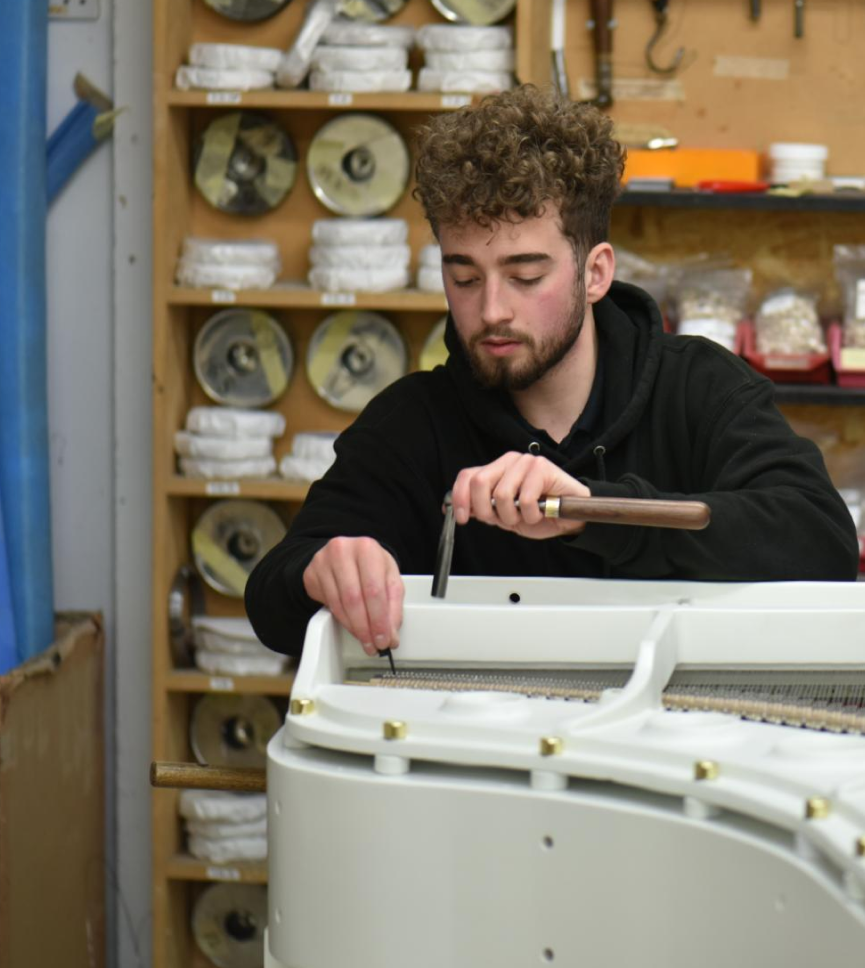
In 1975, J.R. Norman began tuning and repairing pianos from his family home in Cambridge, England.

Not as a business, exactly. As a compulsion. He was a physicist. The kind of man who picked up a coat hanger and saw the process that made it. The flat sheet of steel. The sequence of forces. And then, almost immediately: how it could be done better.

He applied the same eye to the piano. So did his sons. So do his grandsons.

Fifty years on, the workshop is still in Cambridge.

More than two thousand instruments have passed through it. The knowledge that accumulates across those years, what a great piano actually feels like, what it does to a room, what separates one that truly sings from one that merely plays, this is what Edelweiss is built upon.

Most piano makers start from manufacturing. The Normans started from understanding.

The piano had stopped earning its place.

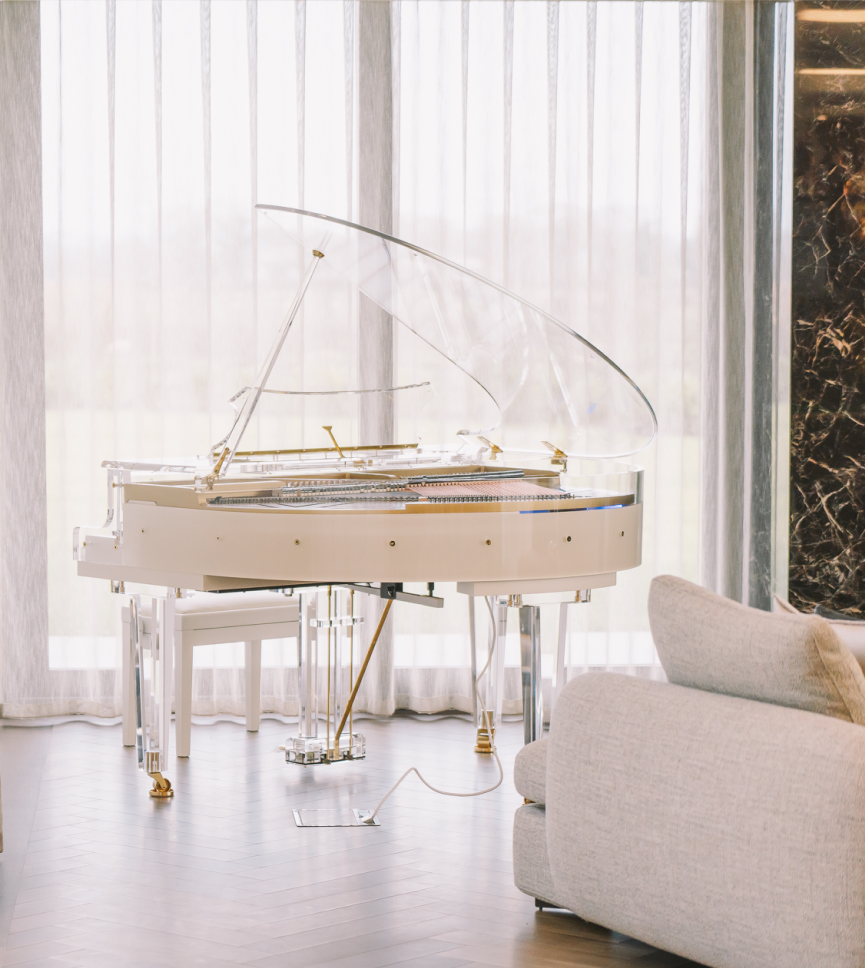
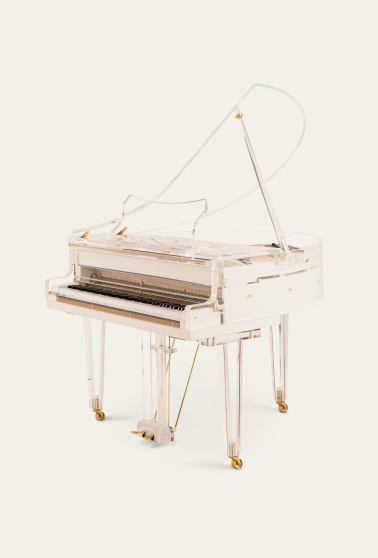
Aurora does not project into a room. It occupies one.

The dynamic range runs from the softest pianissimo to full, open voice. The touch weight, the key return, the immediate connection between finger and sound. Aurora does not ask you to meet it halfway. It is already there.

Made in Cambridge.
At home in the world.

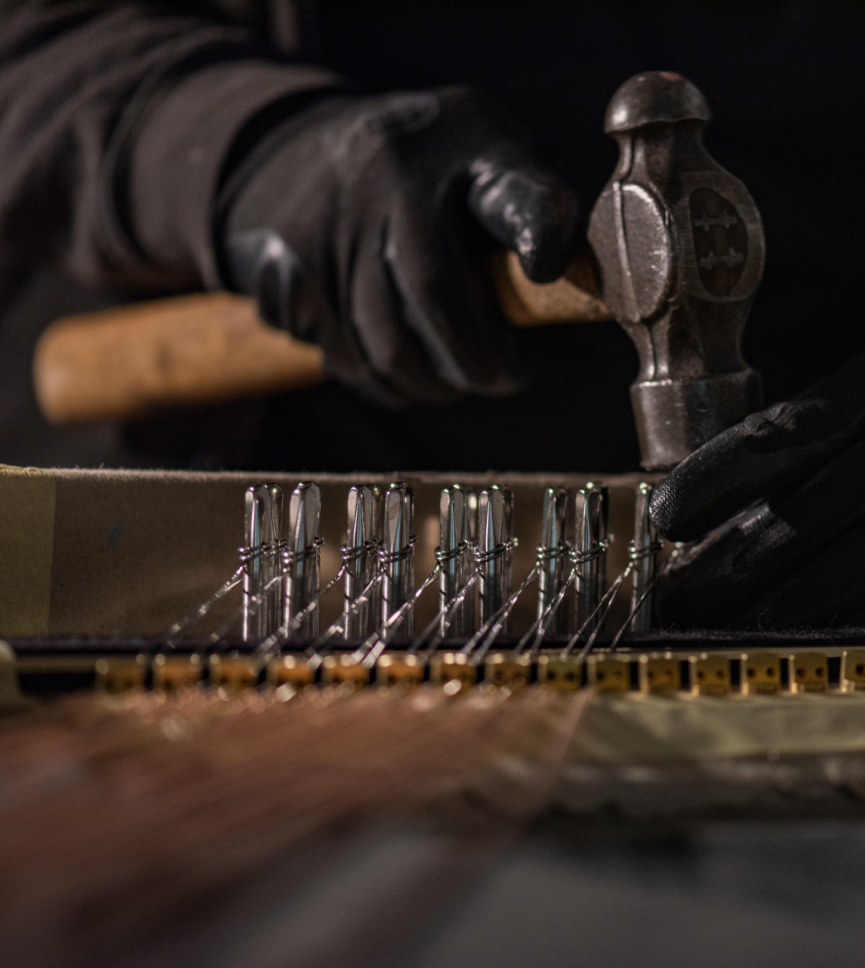
Every Edelweiss is hand-built in Cambridge, finished exactly as its owner intended.

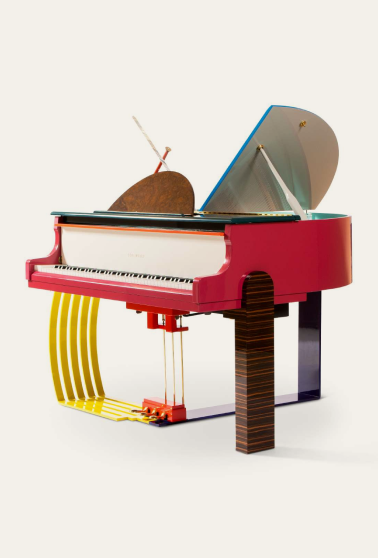
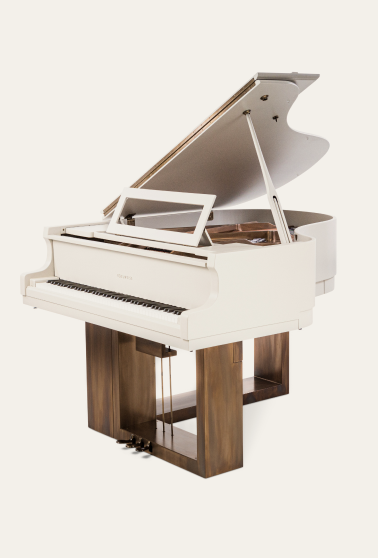
On Sygnet and Flügel, any colour. On Aurora, any colour, any material, any finish. Hand-rubbed walnut. Brushed copper. Gold leaf. Finishes developed for a single commission.

Edelweiss pianos are found in luxury homes across the United States, Europe, and beyond. Showrooms in both the UK and the US.