How Self-Playing Pianos Recreate a Human Performance
There is always a brief moment of confusion the first time it happens.
A guest is speaking, a glass is set down on a marble table, and then somewhere in the room a piano begins to move. Not abruptly. Not mechanically. The keys rise and fall with the gentle confidence of a musician who knows the piece by heart. Notes drift through the space as though someone has quietly taken their seat at the instrument.
Except no one has.
What follows is often a slow shift in attention. Conversations soften. Heads turn. People move a little closer to the piano, trying to understand what they are hearing and seeing at the same time. The performance feels unmistakably human — phrasing that breathes, moments of restraint, then sudden bursts of energy that ripple through the room.
This is the curious magic of a modern self-playing grand piano.
Unlike the early mechanical player pianos of the past, today’s systems are designed to capture the nuance of a real pianist’s performance and recreate it with extraordinary precision. The instrument is not simply reproducing a sequence of notes. It is performing the music again — with the same timing, dynamics, and expressive movement that existed when the piece was originally played.
For those encountering it for the first time, the experience can feel almost theatrical. A grand piano already has a presence in a room. When it begins to play on its own, that presence shifts. The instrument is no longer simply an object of design or craftsmanship.
It becomes the performer.
Why the Human Ear Instantly Knows When Music Feels Real
The human ear is remarkably sensitive to authenticity. Even listeners with no formal musical training can immediately sense the difference between a performance that feels alive and one that sounds mechanical.
It is not the notes themselves that create that feeling. A melody written on a page is only a blueprint. What transforms it into music is the way it is played — the slight hesitation before a phrase begins, the weight of a chord landing in the room, the gentle rise and fall of tempo that gives a piece its emotional shape.
A pianist never plays with perfect mechanical precision. In fact, the opposite is true. The beauty of a performance lives in the subtle variations that occur from one moment to the next. A note might arrive a fraction earlier than expected. A phrase might stretch just long enough to create tension before resolving into something softer.
These small gestures are almost invisible, yet the ear notices them instantly. They are what make a performance feel human.
When those details are missing, music can feel flat and predictable. Every note arrives with identical timing. Every chord carries the same weight. The result may be technically accurate, but something essential has disappeared — the sense that a person is shaping the music in real time.
Modern self-playing pianos are designed around this understanding. Their purpose is not simply to reproduce notes, but to preserve the character of the original performance. The timing, touch, and dynamics that a pianist brings to the keyboard are captured and replayed with extraordinary fidelity.
The result is something quite unusual.
The piano is performing exactly as the pianist once did — and the ear recognises it immediately.
A Performance Is More Than Notes on a Page
If you look at a sheet of music, it can seem deceptively simple. Black symbols arranged across five quiet lines. Notes, rests, markings that suggest tempo or volume. To the untrained eye, it might appear that everything needed for the performance is already there.
But any pianist will tell you that the score is only a starting point.
Between those notes lives a vast space for interpretation. Two pianists can sit at the same instrument, read the same page of music, and create performances that feel completely different. One might lean into the rhythm with a sense of urgency. Another might allow the phrases to breathe more slowly, giving the music a reflective quality.
This is where the artistry of performance begins.
The pressure of a fingertip on a key, the timing between notes, the way a chord is allowed to linger before the next phrase arrives — these are choices made in the moment. They are rarely written into the score, yet they define how the music is experienced.
Even the physical movement of the pianist matters. Hands lifting slightly before a passage. A gentle hesitation before a delicate run of notes. These gestures influence how the keys respond and how the sound unfolds within the room.
In this sense, a performance is not simply the execution of written instructions. It is a conversation between the musician, the instrument, and the space around them.
To recreate a human performance, a piano must therefore capture far more than the notes themselves. It must preserve the countless small decisions that give the music its personality. Without those details, what remains is only the outline of the piece — not the living expression that brings it to life.
The Language of Touch Inside Every Key
To someone watching from across the room, playing the piano can appear effortless. Fingers move across the keyboard, the keys rise and fall, and music fills the space. Yet beneath that simple movement lies a remarkable sensitivity.
Every key on a grand piano responds to touch.
Press a key lightly and the sound arrives softly, almost like a whisper entering the room. Strike the same key with more weight and the tone becomes fuller, richer, carrying further through the space. The difference can be subtle or dramatic, but it is always there — the instrument translating physical movement into sound.
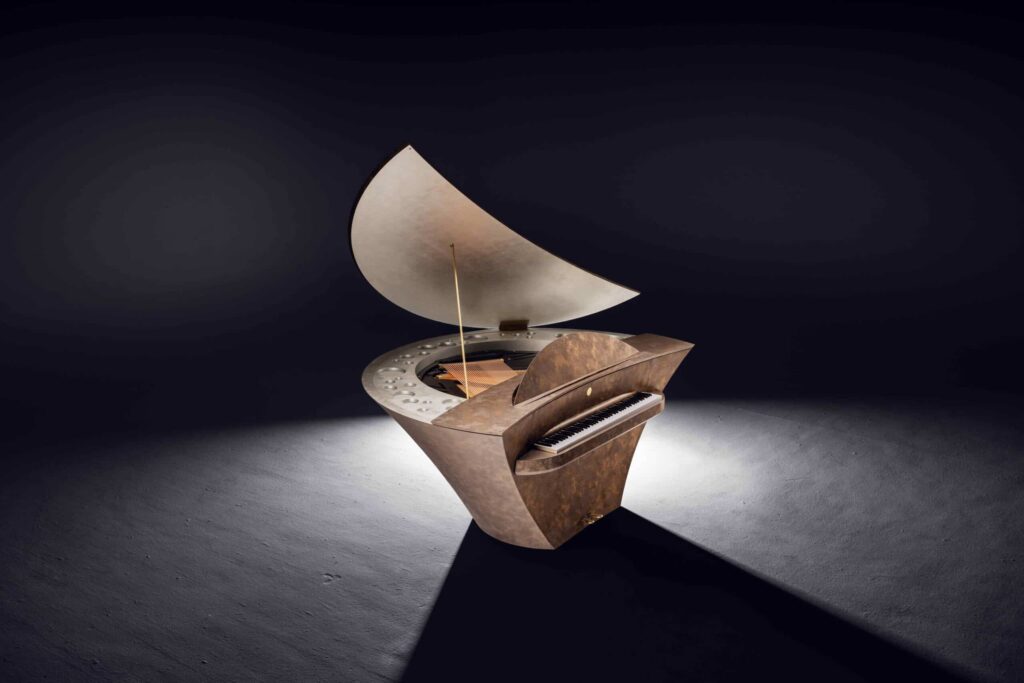
Pianists learn to speak through this sensitivity.
The pressure of a fingertip, the speed at which a key is pressed, the control of the release — these details shape the character of every note. A melody might be played delicately so it floats above the harmony beneath it. A powerful passage might demand the full strength of the hands, sending chords ringing through the room with energy and authority.
This relationship between touch and tone is what gives the piano its expressive depth. It allows a musician to move between intimacy and drama within a single phrase.
For a self-playing piano to recreate a human performance, it must understand this language of touch. The instrument cannot simply trigger notes like a mechanical switch. It must reproduce the exact movement that a pianist once made — the speed, the pressure, the nuance that shaped each sound.
When this happens correctly, something remarkable occurs.
The piano does not merely play the music. It plays it with the same touch that once brought the performance to life.
How Self-Playing Pianos Capture a Pianist’s Expression
The real challenge in recreating a human performance lies in the details no one sees.
When a pianist sits at a grand piano, thousands of micro-decisions unfold in real time. A chord is given slightly more weight. A phrase lingers for a fraction longer than written. The left hand softens to allow the melody to rise above it. None of these moments are dramatic on their own, yet together they form the emotional contour of the music.
Capturing this expression requires extraordinary precision.
Modern self-playing piano systems record far more than which keys are pressed. They track how quickly a key travels downward, the force applied by the pianist, and the exact timing between each note. Pedal movement is recorded with equal sensitivity, preserving the way a pianist blends harmonies together or releases them to create clarity.
What emerges is a detailed performance map.
Every gesture the pianist made at the keyboard becomes part of a digital record — a blueprint of the performance itself. The rise and fall of dynamics, the subtle shifts in tempo, the moments where the music breathes or gathers intensity are all preserved.
When the piano plays the piece again, it follows this map with extraordinary accuracy.
The keys move exactly as they once did under the hands of the musician. The pedals respond in the same way. The timing and dynamics unfold as they did in the original performance. What fills the room is not simply a recording of music, but the physical recreation of the pianist’s interpretation.
The instrument becomes a performer once more, carrying the expression of the original musician back into the space.
Timing, Dynamics, and the Shape of a Musical Phrase
Music moves through time in a way that is rarely perfectly measured.
A pianist may begin a phrase gently, almost holding back the tempo as if drawing the listener closer. Then, as the melody unfolds, the rhythm gathers momentum before easing again at the end of the line. These small expansions and contractions of time are what give music its natural flow.
Musicians often describe this as shaping a phrase.
Much like a sentence in conversation, a musical phrase has its own rhythm, emphasis, and sense of direction. Certain notes carry more weight, others pass lightly, and somewhere within the sequence a moment arrives where the music seems to breathe.
Dynamics play an equally important role. A melody might rise gradually in volume, building anticipation before resolving into something quieter and more reflective. In another passage, a sudden accent can bring a burst of energy that transforms the character of the entire piece.
These shifts in timing and dynamics are rarely mechanical. They respond to the instinct of the performer, to the acoustics of the room, and sometimes even to the mood of the moment.
To recreate a human performance, a self-playing piano must follow these subtle variations with remarkable sensitivity. The system tracks the precise timing between notes and the dynamic range of every key strike, allowing the instrument to reproduce the natural rise and fall of the music.
What emerges is not a rigid sequence of perfectly spaced notes, but something far closer to a live interpretation. The phrases breathe, the tempo gently flexes, and the music unfolds with the same sense of movement that a pianist once gave it at the keyboard.
Why the Smallest Imperfections Make Music Feel Alive
Perfection in music is not what most people imagine.
A perfectly mechanical performance — every note identical, every beat placed with mathematical precision — can sound impressive for a moment. Yet it often feels strangely lifeless. The music arrives exactly as expected, leaving no room for tension, surprise, or emotion.
Human performances are different.
A pianist might press one note a fraction earlier than the next. A chord may land with slightly more energy than planned. The tempo may stretch gently at the end of a phrase before settling again into rhythm. These moments are not mistakes in the traditional sense. They are the subtle fluctuations that give music its character.
Listeners respond to these details instinctively. The ear senses movement within the performance — a feeling that the music is being shaped by a person rather than delivered by a machine.
This is why the smallest variations matter so much.
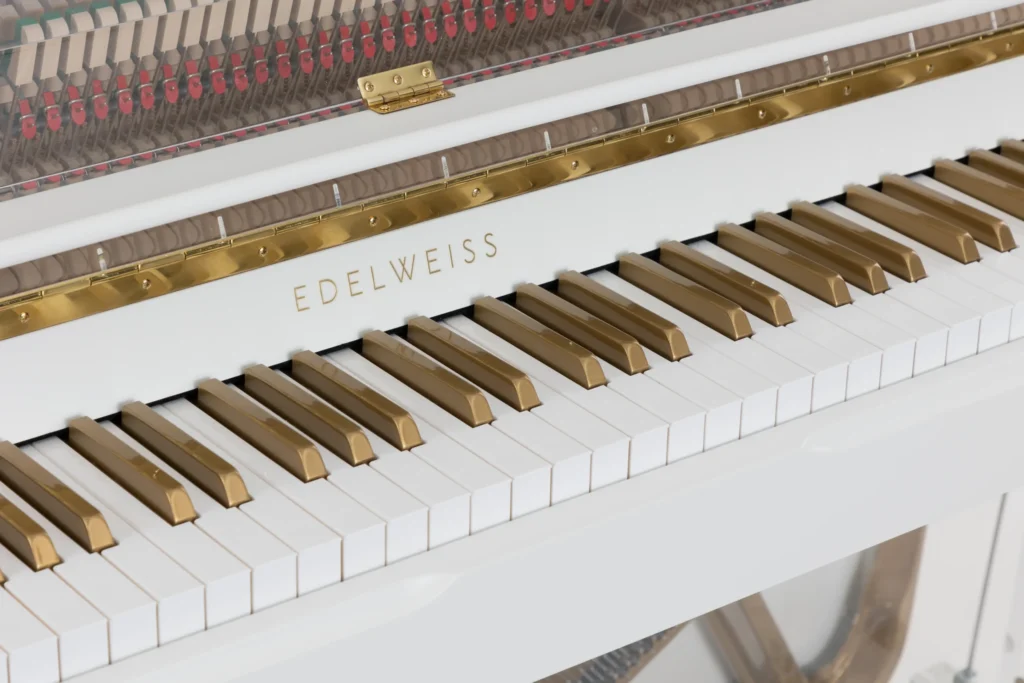
Modern self-playing piano systems are designed to preserve these human nuances rather than erase them. When a performance is recorded, the system captures the slight differences in timing, touch, and dynamics that occurred naturally while the pianist was playing. Nothing is smoothed into rigid perfection.
When the piano performs the piece again, those tiny imperfections return with it.
The result feels remarkably authentic. Notes do not arrive with identical force. Phrases stretch and contract in subtle ways. The music carries the same gentle unpredictability that existed in the original performance.
In other words, the piano is not trying to correct human performance.
It is honouring it.
Recreating the Presence of a Pianist in the Room
There is something unmistakable about live music in a space.
When a pianist is present, the atmosphere shifts almost immediately. People pause mid-conversation. The rhythm of the room adjusts itself to the music. Even those who are not consciously listening begin to feel its presence shaping the environment around them.
A piano has always held this quiet authority.
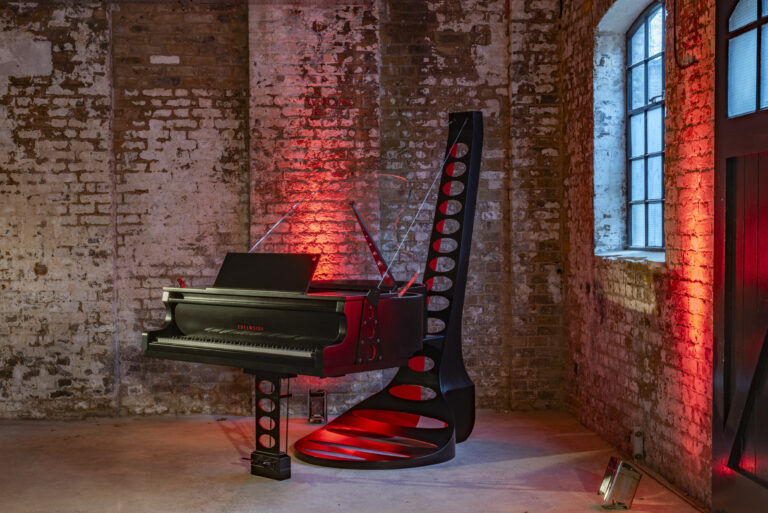
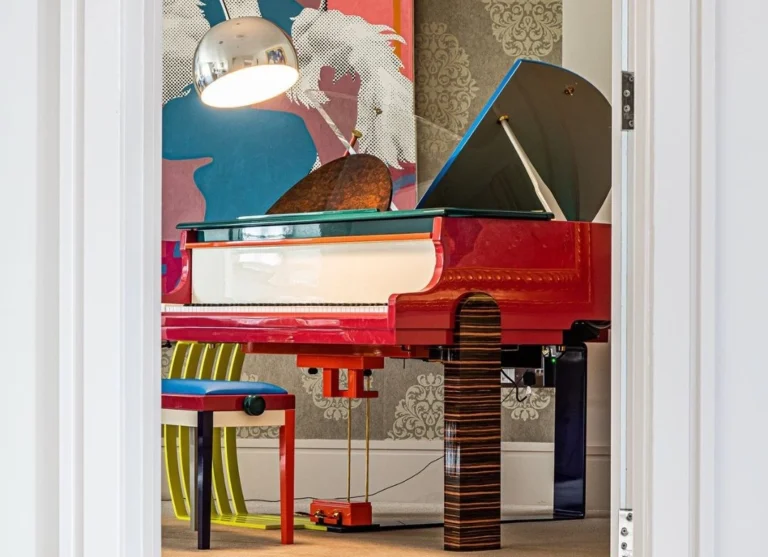
Placed in a living room, a hotel lobby, or a gallery-like interior, it naturally becomes a focal point. But when it begins to play with the nuance of a human performance, the effect is something deeper than background music. The instrument appears to take on a personality of its own.
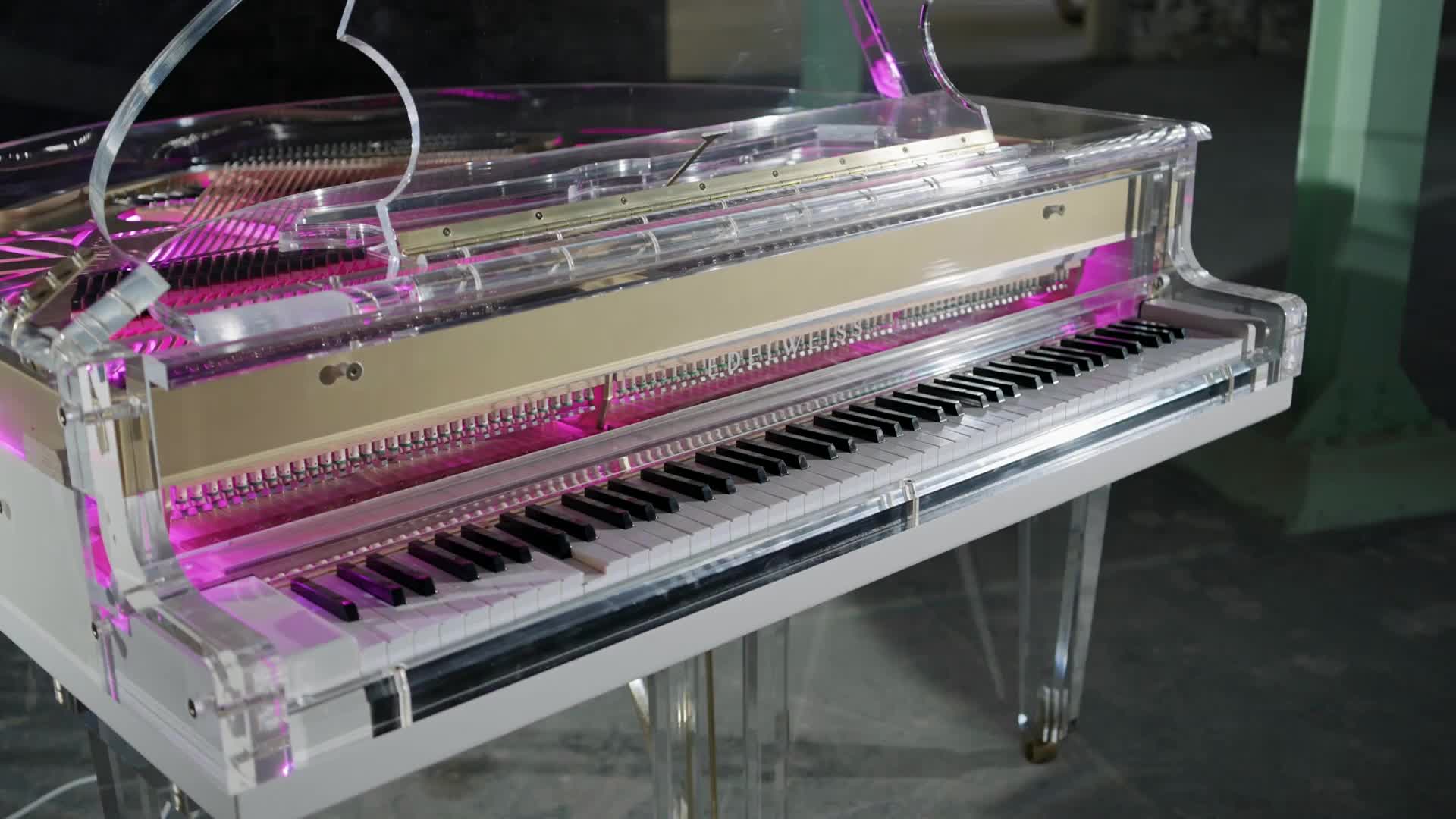
The movement of the keys is part of that illusion. Once you see how the self-playing piano works, it’s mesmerising. Watching them rise and fall in real time creates a powerful connection between what the ear hears and what the eye sees. The music is not coming from hidden speakers somewhere in the room. It is unfolding physically at the instrument itself.
This is what gives modern self-playing pianos their remarkable presence.
The performance feels grounded in the piano. Sound resonates through the body of the instrument, filling the space with the natural acoustic character that only a grand piano can produce. Every note carries the warmth, depth, and resonance that comes from strings, hammers, and wood responding together.
In spaces designed around atmosphere — luxury homes, private lounges, hospitality settings — this presence can transform the entire experience. The piano becomes more than an object within the room.
It becomes the source of its energy.
When Technology Serves the Art of the Piano
There is a delicate balance whenever technology enters the world of musical instruments.
Too much emphasis on the mechanics, and the instrument begins to feel like a machine. Too little innovation, and it risks becoming frozen in time. The most successful designs find a quieter path — one where technology supports the artistry of the instrument without drawing attention to itself.
In the case of modern self-playing grand pianos, this balance is essential.
The engineering behind the system is extraordinarily sophisticated, yet it remains almost invisible to the listener. What people experience is not circuitry or software, but the familiar voice of a grand piano responding to music as it always has.
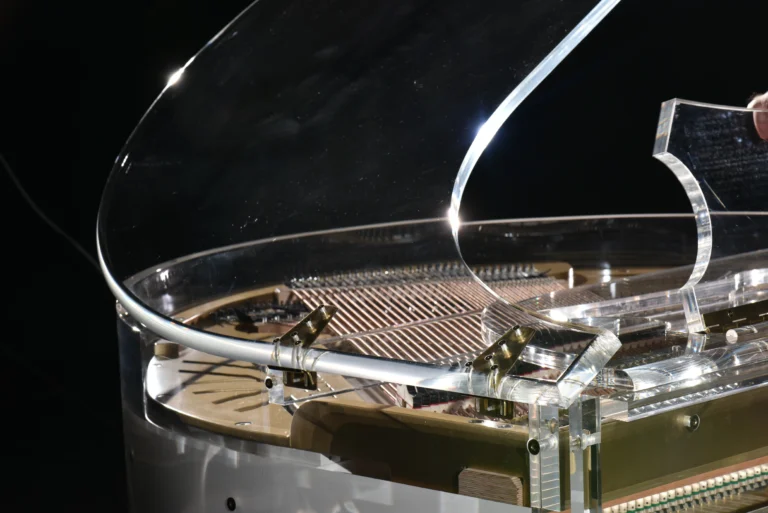
The instrument still relies on the same acoustic foundations that have defined the piano for generations. Strings resonate through a wooden soundboard. Hammers strike with controlled precision. The body of the piano shapes and amplifies the sound so it can travel naturally through the room.
Technology simply allows the instrument to remember how it was once played.
At Edelweiss, this philosophy sits at the centre of the design process. The goal is never to replace the traditional character of the piano, but to extend its possibilities. Craftsmanship, materials, and engineering work together so that the instrument can perform with extraordinary fidelity while remaining unmistakably a grand piano.
When this balance is achieved, something interesting happens.
The technology fades into the background, and what remains is the music — expressive, human, and alive within the space.
How Self-Playing Pianos Are Changing the Way Music Lives in a Space
A piano has always influenced the atmosphere of a room, even when it is silent.
Its presence carries a certain gravity. The polished curve of the cabinet, the long sweep of the lid, the quiet suggestion that music might begin at any moment. For generations, however, that moment depended on someone sitting down to play.
Self-playing pianos change that relationship entirely.
Music no longer waits for the right occasion or the right performer. A grand piano can move effortlessly from silence to performance, filling a space with music whenever the moment calls for it. A quiet morning in a penthouse apartment, an evening gathering with friends, the subtle background of a hotel lobby — the piano becomes part of the rhythm of daily life.
What makes the experience so compelling is that the music still feels deeply authentic. The performance is not coming from a distant speaker or a hidden sound system. It lives inside the instrument itself, unfolding through the movement of keys, hammers, and strings.
This creates a very different kind of atmosphere.
In a private residence, the piano can become the emotional centre of the home, shifting the mood of a room with a single performance. In hospitality spaces, it adds a sense of theatre and elegance that quietly shapes how guests experience the environment.
The piano is no longer simply waiting to be played.
It becomes a living presence within the architecture of the space — an instrument capable of bringing music into everyday moments with the same depth and expression as a human performance. To understand the self-playing further read Discover the ultimate guide to self-playing pianos.