


Self-playing pianos have a rich history that spans over a century. These innovative instruments blend mechanical, electrical, and digital technologies to bring music to life without a pianist. Here, you’ll discover key milestones that have shaped the evolution of self-playing pianos.
In 1895, Edwin Votey invented the first self-playing piano, called the Pianola. This groundbreaking device used paper rolls with perforated holes to control the piano keys. As the roll moved over a tracker bar, air activated the corresponding notes, creating music. The Pianola quickly became a popular fixture in homes and public places.
By the early 20th century, the Pianola became emblematic of the “roaring twenties” in the United States. This era, marked by cultural dynamism and economic prosperity, saw a surge in the Pianola’s popularity. Owning a self-playing piano was a status symbol, reflecting both technological advancement and cultural sophistication.
Innovations continued with the introduction of the Welte reproducing piano by the German company Welte-Mignon. This model featured an electric suction pump and an expression control mechanism, allowing it to capture and replicate the nuances of a pianist’s performance. The Welte reproducing piano set a new standard in the accuracy and expressiveness of self-playing pianos.
Today, self-playing pianos use cutting-edge digital technology to deliver unparalleled musical experiences. Brands like Steinway Spirio, Yamaha Disklavier, PianoDisc, and QRS dominate the market. These modern instruments offer various features, such as remote control via smartphones and integration with digital music libraries, making them more versatile and user-friendly than ever before.
The evolution of self-playing pianos showcases a fascinating blend of artistry and technology. From the mechanical ingenuity of the Pianola to the digital sophistication of today’s models, these instruments continue to captivate and inspire music lovers worldwide.

Self-playing pianos, also known as player pianos, perform music autonomously thanks to installed mechanisms. They blend acoustic piano features with advanced technology, offering convenience and entertainment.
The sound of a self-playing acoustic grand piano is always the acoustic sound – not a digital or recorded sound.
Two main components help the operation of self-playing pianos:
1. Mechanism: Inside every self-playing piano, an intricate system uses electromagnetic solenoids. These solenoids push the piano keys from beneath, mimicking a pianist’s finger movements. Each solenoid features more than 1,800 gradations of force, enabling precise control over dynamics and articulation.
2. Recording and MIDI Files: The music originates from performances by professional pianists captured on acoustic pianos fitted with special technology to capture the touch and dynamics of the pianist. These recordings convert into MIDI files that encode detailed information about the notes played, including speed and force. The self play system then utilizes these MIDI files to recreate performances with high fidelity, ensuring the playback sounds as realistic as possible.
Read an indepth explaination here including diagrams and animated examples.
Click Here
Technology enhances self-playing pianos with added functionality and connectivity:

Finding the perfect self-playing piano involves understanding your needs and preferences. Balancing sound quality, design features and your space will guide you to the right choice.
Digital self-playing pianos offer several advantages. They are lightweight and compact, making them easy to move and place. Maintenance is minimal since they don’t need tuning. They produce various sounds and timbres and often come with built-in recording capabilities and MIDI connectivity. You can play them silently using headphones. Generally, they are more affordable than acoustic pianos.
But, digital self-playing pianos might lack the authentic feel and sound of an acoustic piano. The dynamic range and nuance in touch response might be limited compared to acoustic pianos.
The sound from a digital self-playing piano is always a digital-pre recorded sound.
Acoustic self-playing pianos provide a rich, authentic sound and playing experience. The depth of sound and touch response create a superior musical experience. Many musicians prefer acoustic pianos for their natural resonance and physical feedback.
Nevertheless, acoustic self-playing pianos are heavier and larger, making them less portable. Regular maintenance, including tuning, is necessary to keep them in optimal condition. They are generally more expensive than digital counterparts.
The sound from an acoustic self-playing piano is always acoustic – it is never digital.
Considering these key features will help you make a well-informed choice.
Sound quality is a crucial factor. Acoustic pianos offer a fuller, more resonant sound due to their physical components. Digital pianos replicate sounds through speakers, which may not capture the same depth.
Touch sensitivity impacts your playing experience. Acoustic pianos naturally provide a nuanced touch response. Some high-end digital pianos offer graded hammer action to mimic this, but it’s essential to try them out.
Modern self-playing pianos often include connectivity options. Digital pianos typically feature MIDI and USB connections, which are great for recording and producing music. Acoustic pianos might have built-in systems that connect to apps or external devices.
Budget constraints can significantly influence your choice. Digital pianos are often less costly than acoustic ones. Consider the long-term investment, including maintenance costs for acoustic pianos or potential upgrades for digital pianos.
Space considerations are vital. Digital pianos are more compact and easier to fit into smaller rooms. Acoustic pianos require more space and a stable environment.
Additional features add value. Look for built-in song libraries, learning tools, and interactive apps in digital pianos. Acoustic pianos might offer enhanced recording systems and better integration with smart devices.
Considering these aspects ensures you choose a self-playing piano tailored to your needs and preferences.

Understanding the costs and budgeting factors for self-playing pianos helps you make an informed purchase decision. Evaluating price ranges and knowing the elements affecting the cost ensures you find the right piano within your budget.
Self-playing pianos, also known as player pianos, cover a broad price spectrum. They cater to various needs and preferences, from beginner models to luxurious high-end options. Here are the main price categories:
Entry-level: Ranging from $1,000 to $15,000, entry-level self-playing pianos typically offer basic features and are only digital pianos at this price range if buying something new. These models suit beginners or individuals who don’t want to make a significant financial investment. An example is the Yamaha Clavinova CSP-150, which provides decent sound quality and beginner-friendly features.
Mid-range: Priced between $15,000 and $60,000, mid-range pianos offer enhanced functionalities and better sound quality. These models often include advanced recording options, connectivity features, and improved mechanics. The Yamaha Disklavier Enspire ST is a notable example, offering a blend of advanced features and moderate pricing.
High-end: Costing $70,000 to $150,000+ high-end models boast superior build quality, premium materials and sophisticated design features. These pianos are designed for serious musicians and enthusiasts seeking the best possible playing and listening experience. A prime example is the Edelweiss S132 Piano, the ultimate home performance grand piano which offers exceptional sound quality and cutting-edge technology making it a joy to play and delight to listen to – made for the home environment.
Custom-Made Pianos: If you want to be completely unique and have the ultimate in bespoke design then a bespoke Edelweiss Player Piano design is for you. Choose this option and you can sit down with the Edelweiss studio and craft a design specific to you. Your imagination will determine the budget for this option. Edelweiss Pianos are the leading makers of bespoke pianos and specialize in creating bespoke, custom pianos that aren’t just another black piano!
Several variables impact the cost of self-playing pianos, influencing your ultimate decision. Understanding these factors helps you choose a piano that meets your needs and fits within your budget.
By considering these factors, you can navigate through the multitude of options and select a self-playing piano that aligns with your musical aspirations and financial constraints.

Self-playing pianos offer various ways to elevate your musical engagement.
Self-playing pianos add significant entertainment value to social gatherings and personal relaxation.
By understanding these benefits, you can fully use the capabilities of self-playing pianos to enhance your musical and educational experiences.
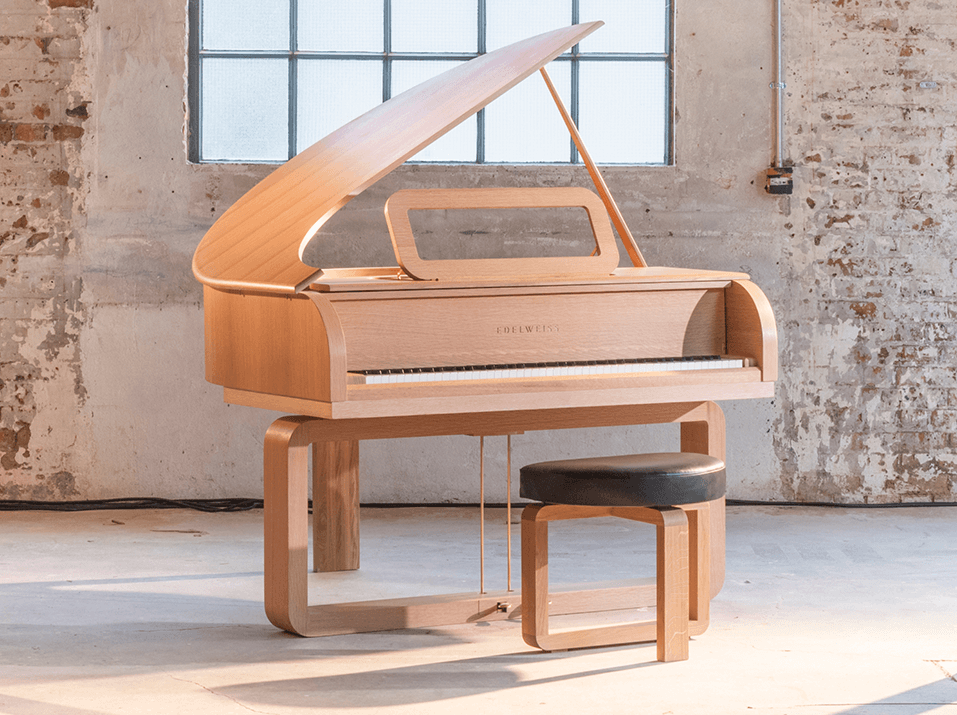
An Edelweiss is a piano that is hand-built in Britain, made for the home and designed to be different. As standard, the Edelweiss Virtuoso Self-Play system is fitted to every Edelweiss Piano they build in their workshops in Cambridge, UK unlike other manufacturers where you have to buy a certain model to get the self-play function. Viewed as the leading maker of bespoke grand pianos for the home – an Edelweiss Piano is the aspired after brand when it comes to bespoke self-playing grand pianos.
With advanced recording and playback capabilities if required and it’s beautiful sonorous European tone – for professionals and enthusiasts alike – the Edelweiss is the ultimate Home Performance Grand Piano – you won’t find an Edelweiss in a concert hall.
Steinway has a great legacy and are known for their excellent craftsmanship and distinct sound due to the size of the pianos they build. The Spirio is the self-playing model of Steinway’s offering and includes recording and playback capabilities. Steinway’s legacy is making some of the best pianos in the world and is a popular choice for professional pianists used to performing on their large grand pianos in a concert hall and Spirio system offers advanced features in record and playback as a result of this. This means you can experience a live performances being played real time in a concert hall on your piano live in your own home.
Yamaha’s Disklavier series stands out due to its exceptional technology and versatility. Yamaha are production line pianos – so not built by hand like an Edelweiss or Steinway and are at a more affordable price range. The Enspire collection, for example, starts at £23,000 and integrates state-of-the-art features that allow performances to be transferred into MIDI format. These pianos are perfect for both home enjoyment and professional use, providing a seamless blend of traditional piano playing with modern technology.

Choosing a self-playing piano as the focal point of a room can transform your living space into a blend of elegance and technology. These pianos serve not only as musical instruments but also as statement pieces, enhancing both auditory and visual appeal.
Self-playing pianos, particularly grand pianos, exude a classic, timeless elegance that can elevate the décor of any room. Modern designs from brands like Edelweiss and Steinway offer sleek finishes and subtle detailing, making them suitable for both traditional and contemporary interiors. For instance, the Edelweiss Transparent S132 is made of transparent parts including the case, providing a stunning visual impact when placed in a well-lit room.
When positioning a self-playing piano, consider its size and the room’s layout. A grand piano requires more space and works well in larger rooms or open floor plans. Upright models like the Yamaha Disklavier Upright Series can fit into smaller spaces without sacrificing audio quality or functionality. Ensure the piano has adequate space around it to allow the sound to resonate properly, enhancing the auditory experience.
A self-playing piano can create various ambiances, making it perfect for different occasions. For an evening gathering, set the piano to play soft classical pieces from an extensive MIDI library, fostering a sophisticated atmosphere. During family time, opt for lively, upbeat tunes to energize the room. Personalized playlists can cater to different moods and events, making the piano a versatile entertainment source.
Modern self-playing pianos incorporate advanced technology, making them more than just musical instruments. Features like Wi-Fi connectivity and app control allow you to manage the piano remotely. You can schedule performances, adjust volumes, and even download new song libraries directly to the piano. This tech-savvy integration ensures your self-playing piano remains a highlight in a smart home.
A self-playing piano can act as the centerpiece in social gatherings, sparking conversations and interactions. Guests can enjoy live music without needing a pianist, and the piano can play a curated soundtrack suited to your event. Whether it’s background music during a dinner party or a lively tune at a celebration, the piano ensures a memorable experience.
Investing in a high-quality self-playing piano increases your property’s aesthetic and market value. Recognized brands like Steinway and Edelweiss are known for their durability and craftsmanship, ensuring that the piano remains a treasured asset over time. The blend of tradition and modern technology makes these pianos desirable to prospective buyers if you decide to sell your home.

Regular maintenance and care are vital to keep your self-playing piano in optimal condition. Follow these practices for longevity and performance.
Consistent tuning ensures your piano produces the best sound. Tune your self-playing piano at least once a year. For instruments played frequently or those that are new, consider biannual or quarterly tuning. This keeps the piano’s pitch accurate and prevents string tension issues.
Pedals contribute to the piano’s expressive capabilities. Have a professional technician check pedal alignment and responsiveness. Adjustments might be necessary to maintain proper functionality, especially if the pedals feel stiff or unresponsive.
Dust and dirt can affect your piano’s mechanics and sound quality. Regularly dust the exterior with a soft cloth. Use a slightly damp cloth for keys. Avoid chemical cleaners, as they can damage the finish and internal components. Also, keep liquids away from the piano to prevent spills.
Pianos are sensitive to environmental changes. Maintain a stable temperature and humidity level (around 42-55% RH) to prevent wood warping and mechanical issues. Dehumidifiers or humidifiers can help, depending on your climate. Using a hygrometer lets you monitor these levels accurately.
The self-playing mechanism requires periodic servicing. Consult the manufacturer for specific guidelines, as maintenance routines vary by brand and model. Typically, this includes software updates and mechanical check-ups to ensure synchrony and performance.
Proper placement affects your piano’s longevity. Avoid placing it near windows or external walls to minimize exposure to direct sunlight, temperature fluctuations, and moisture. Use a piano cover for added protection when not in use.
Have a qualified technician perform annual inspections. They can identify potential issues and provide recommendations to prevent major repairs. Regular professional assessments safeguard both the acoustic and technological aspects of your self-playing piano.
Sensors in self-playing pianos require delicate handling. Clean keys gently and avoid using excessive force when playing manually. This helps in prolonging sensor life and maintaining accurate note reproduction.
Understanding common problems helps in timely resolution:
By following these guidelines, you’ll ensure your self-playing piano stays in excellent condition, delivering beautiful music and consistent performance for years.

Self-playing pianos beautifully blend tradition with modern technology, offering an exceptional musical experience for all. Whether you’re a seasoned musician or just beginning your musical journey, these instruments provide endless enjoyment and educational benefits.
By choosing the right model and maintaining it properly, you ensure it remains a cherished part of your life for years to come. Explore your options and let the magic of self-playing pianos enrich your world.

A self-playing piano, also known as a player piano, can play music automatically using pre-recorded media or digital files. It combines traditional piano mechanisms with advanced technology to reproduce live performances without a human player.
Self-playing pianos use built-in electronic systems or pneumatic mechanisms to move the keys and pedals. These systems read digital files or paper rolls and translate them into piano actions, replicating the exact notes and dynamics of a performance.
Popular models include the Edelweiss and Steinway models. They are known for their high-quality sound, advanced technology, and versatile features that cater to both professional musicians and casual enthusiasts.
Self-playing pianos enhance musical experiences, cognitive development, and educational growth. They are also great for entertainment, mood improvement, self-esteem, and personal relaxation, making them a valuable addition to homes and social settings.
Like traditional pianos, self-playing pianos should be tuned at least twice a year. Regular tuning ensures optimal sound quality and performance, preserving the instrument’s longevity.
Maintenance involves regular tuning, pedal adjustment, cleaning, and controlling the piano’s environment. Ensure proper storage, perform system updates, and schedule professional inspections to keep the piano in top condition.
Yes, self-playing pianos can be played manually like any traditional piano. The automatic playing system does not interfere with the normal acoustic functions of the piano.
While the maintenance costs for self-playing pianos can be higher than those for traditional pianos due to the added technology, regular upkeep is essential. Investing in proper care reduces the risk of expensive repairs.
Consult a professional technician for troubleshooting and repairs. Keep a repair log and familiarize yourself with basic troubleshooting techniques to handle minor issues.
Yes, traditional pianos can be converted into self-playing pianos using the Edelweiss Virtuoso self-play system. These systems can be installed on virtually any piano, offering a range of features to enhance its capabilities.
