Self-Playing Pianos vs Traditional Pianos: Which is Right For You?
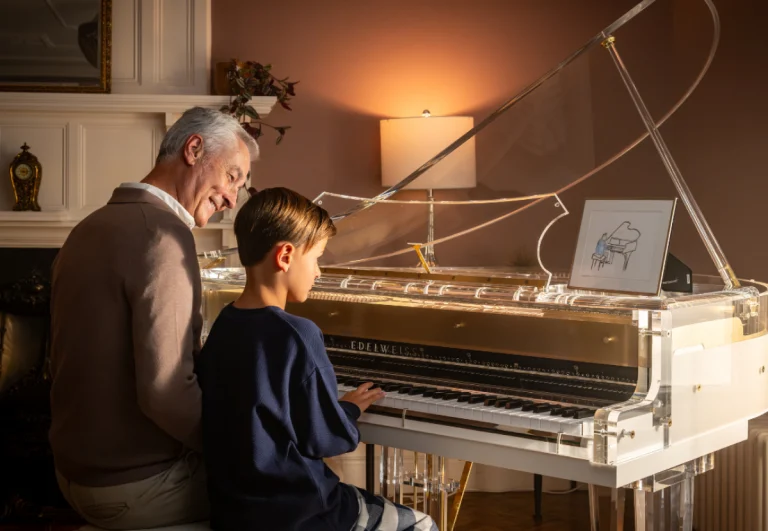
Imagine sitting in your living room, a gentle melody filling the air as the piano keys dance independently. Self-playing pianos, once a marvel of early 20th-century innovation, have evolved into sophisticated instruments capable of playing, recording, and even teaching—all at the touch of a button. These modern marvels can connect to your devices, offering a seamless blend of technology and tradition.
Yet, the allure of a traditional piano remains timeless. It’s an instrument that demands your touch, emotion, and skill, creating a deeply personal connection with every note. For some, a self-playing piano might seem like it disrupts this intimacy, while others see it as an opportunity to enjoy beautiful music without the need to play.
So, which is right for you? Whether you’re a purist or a tech enthusiast, understanding the differences can help you decide which piano best suits your lifestyle and musical journey.
Understanding Self-Playing Pianos
Self-playing pianos, known as player pianos or automated pianos, bring music to life without a pianist. These instruments offer a seamless blend of tradition and technology. Check out our full in-depth guide to player pianos here
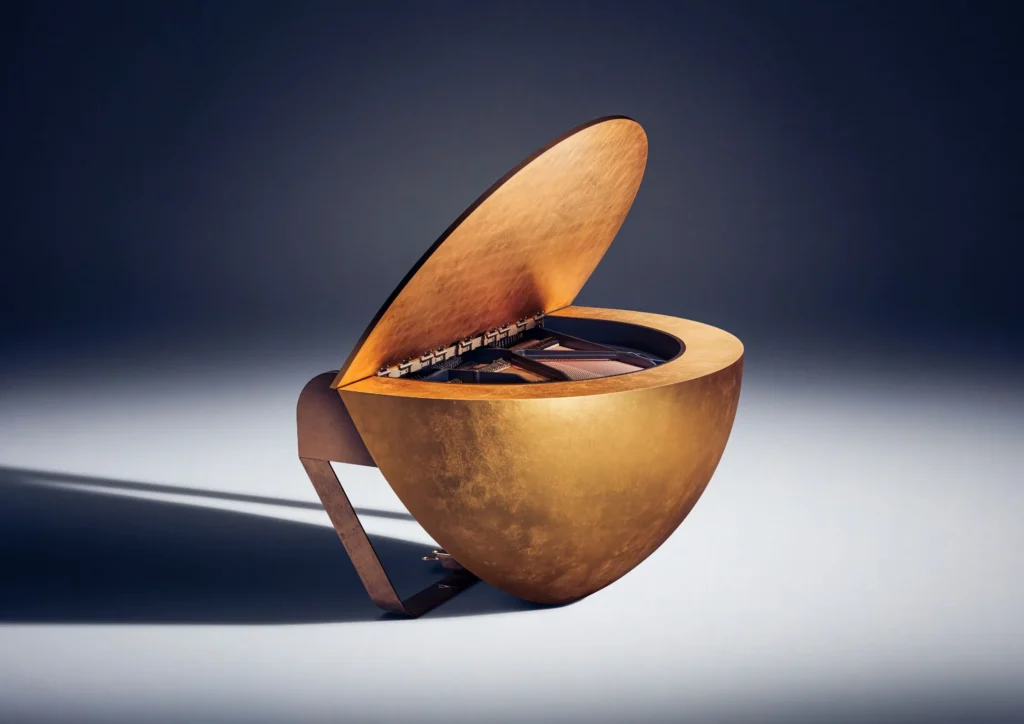
How Self-Playing Pianos Work
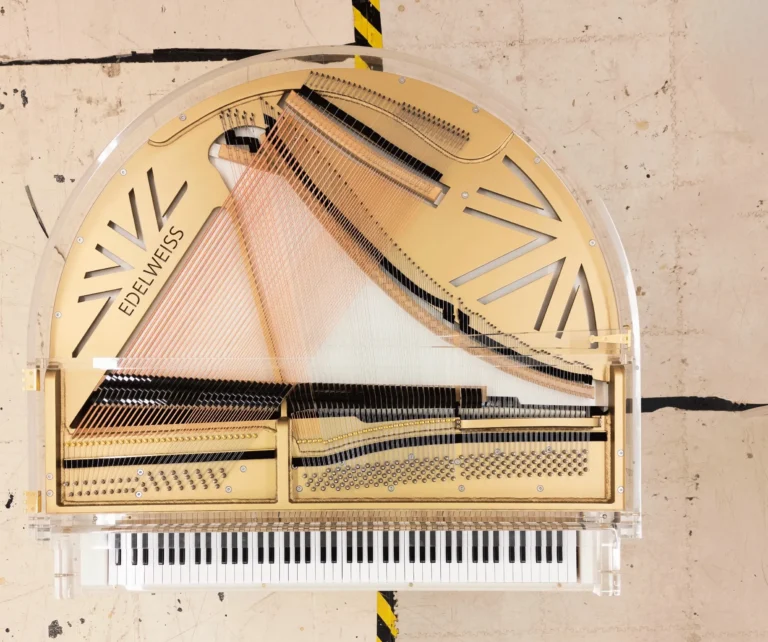
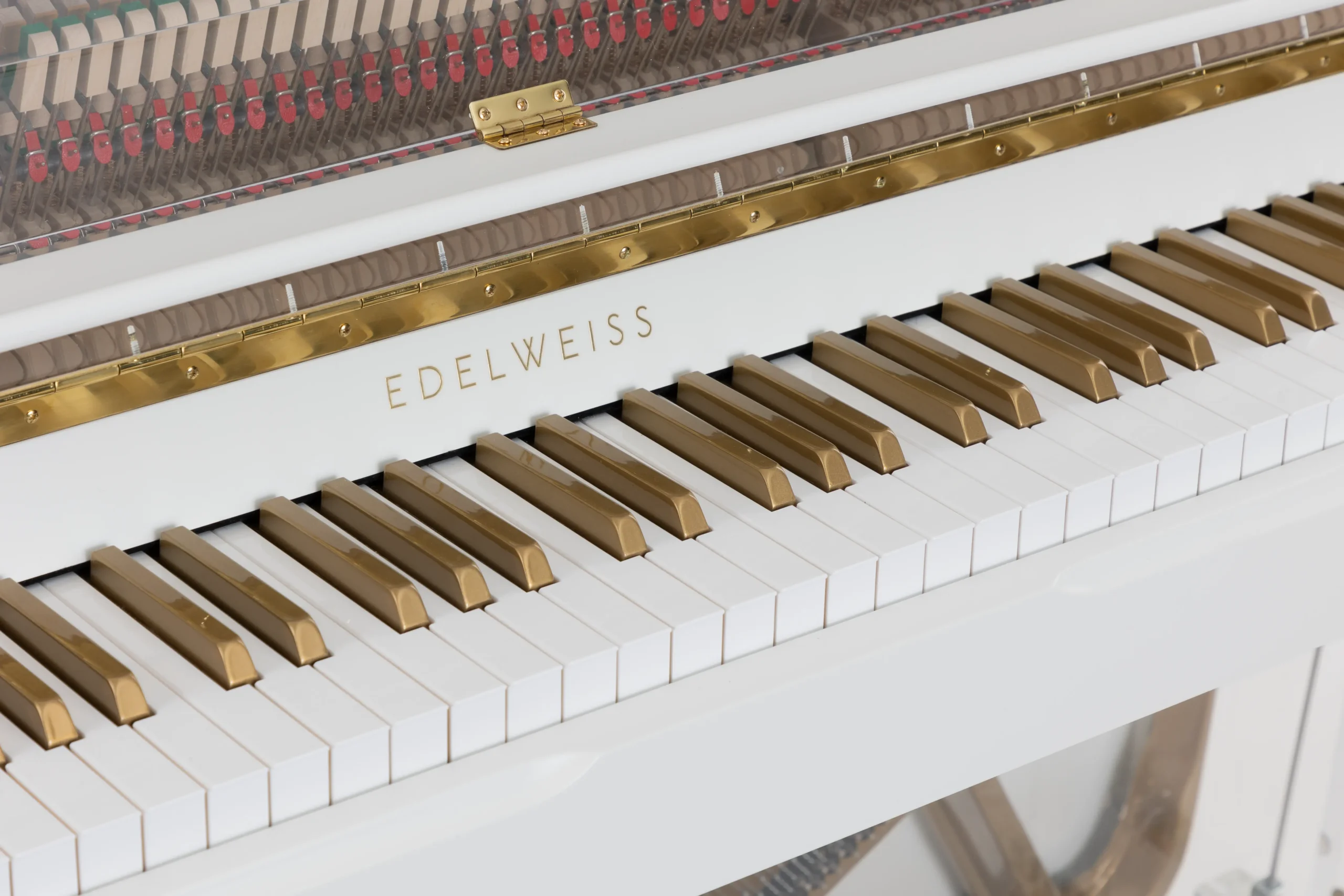
Self-playing pianos operate using mechanical or digital systems that replicate human keystrokes. Traditional models utilize pneumatic or electro-mechanical mechanisms to interpret music from perforated rolls, while modern versions read digital files. The keys and pedals move to produce sound, rendering the experience identical to live play. Some models integrate into acoustic or digital pianos, like the Yamaha NU1, allowing for solo and automated performances.
Popular Features of Self-Playing Pianos
Modern self-playing pianos come with a host of features to enhance their utility. They can connect with devices like smartphones, tablets, and laptops, allowing easy control via applications. Popular systems like VIRTUOSO can play, record, and stream music online. Self-playing pianos also serve as excellent teaching tools, providing real-time accompaniment. These features make them not just instruments, but versatile hubs for musical exploration and enjoyment.
Exploring Traditional Pianos
Explore the world of traditional pianos where craftsmanship meets timeless sound. These instruments offer rich acoustics and an authentic playing experience.
Mechanics of Acoustic Pianos
Traditional acoustic pianos create sound mechanically. When you press a key, a hammer strikes a string, producing vibrations that travel through a soundboard, amplifying the sound. This mechanism, known as “action,” includes approximately 5,500 precision parts. The complexity allows subtle nuances in your finger movements to translate into expressive and rich tones
Benefits of Owning a Traditional Piano
Consider the advantages of owning a traditional piano. The superior sound quality comes from vibrating steel strings and resonant wood. Traditional pianos present an unrivalled visual appeal, adding a classic touch to any room. Playing on an acoustic piano offers a tactile feel, inspiring musicianship. Though traditional pianos require regular tuning and professional moving services, they provide a unique connection to music that digital alternatives often lack.
Comparative Analysis: Self-Playing vs. Traditional Pianos
Explore the key differences between self-playing and traditional pianos to guide your piano selection process. Analyze elements such as sound quality, maintenance, and cost to determine the most suitable choice for you.
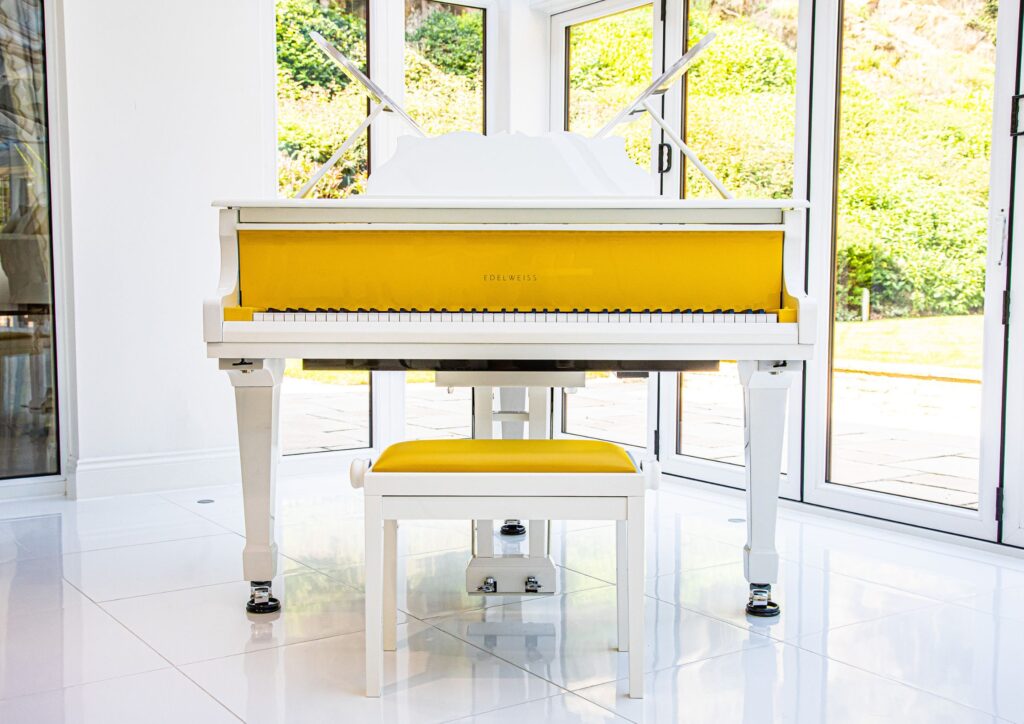
Sound Quality and Dynamics
Traditional pianos produce sound through mechanical actions where keys trigger hammers to strike strings, creating rich and authentic tones. Their soundboards amplify the sound, providing warmth and nuanced dynamics. Self-playing pianos maintain this sound quality since they are essentially acoustic pianos equipped with a system that reads pre-recorded or programmed music. Both offer the same sound quality, but traditional pianos require a personal touch for dynamics variation while self-playing pianos reproduce music precisely as programmed.
Maintenance and Durability
Traditional pianos demand consistent upkeep, like tuning 1-2 times yearly, and must be kept in environments with stable temperature and humidity levels. They require their owners to invest in regular maintenance. Self-playing pianos, being based on traditional models, share similar maintenance needs. However, the added digital components may offer easier diagnostic capabilities for issues but can also introduce additional complexities.
Cost Considerations
When evaluating cost, factor in not only the purchase price but also ongoing expenses. Traditional pianos may carry lower initial costs, depending on the brand and model, but incur tuning and moving fees. Self-playing pianos, often more expensive due to their advanced technology, might offer convenience but at a higher upfront cost. Weigh your budget, considering both types’ lifetime costs, to make an informed decision.
Factors to Consider When Choosing
Selecting between a self-playing piano and a traditional piano necessitates evaluating several key factors. Your decision hinges on music style, space requirements, and budget considerations.
Your Music Style and Preferences
For classical and jazz enthusiasts, traditional acoustic pianos offer unmatched expressiveness and tonal richness. These instruments excel in musical genres where dynamic range is paramount. If you enjoy the tactile feedback and nuance of manual playing, an acoustic piano aligns well with your preferences.
Space and Portability Needs
Traditional pianos, with their larger size and sturdier build, require ample space and may be challenging to move. If your home can accommodate this, traditional options provide aesthetic beauty. Conversely, self-playing pianos and digital counterparts usually have more compact designs, fitting smaller spaces and easing transportation.
Budget and Investment
Acoustic pianos typically carry lower initial costs but incur ongoing expenses from tuning and maintenance. If long-term investment is a concern, consider these factors. Self-playing pianos often feature a higher purchase price due to their technological complexity, yet they might decrease future maintenance efforts and costs associated with regular play.
Conclusion
Choosing between a self-playing and a traditional piano ultimately depends on your needs and musical aspirations. A self-playing piano could be your perfect match if you value convenience and modern technology. It’s ideal for those who enjoy a wide range of musical styles and appreciate the ability to learn and play along with ease. On the other hand, if you cherish the tactile experience and emotional connection that comes from playing, a traditional piano offers a timeless appeal. Consider your space, budget, and musical goals to find the piano that best complements your lifestyle.