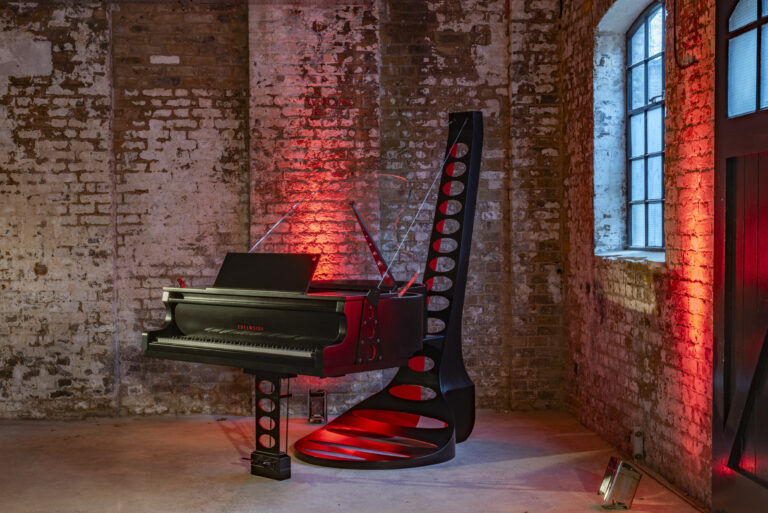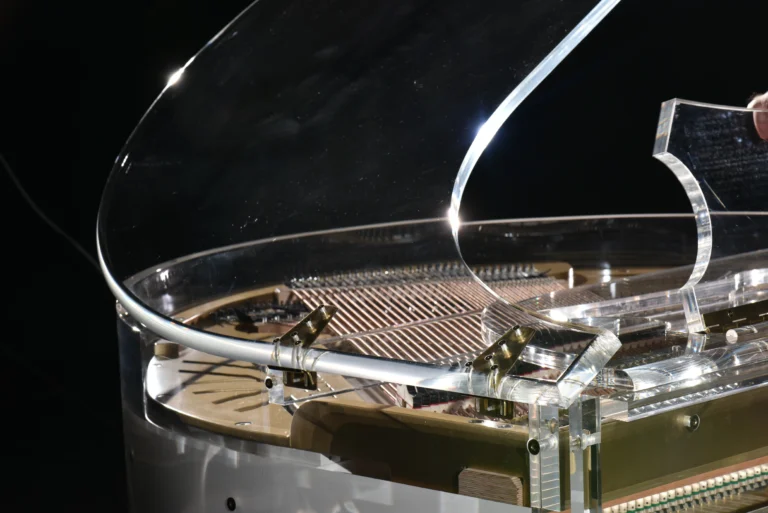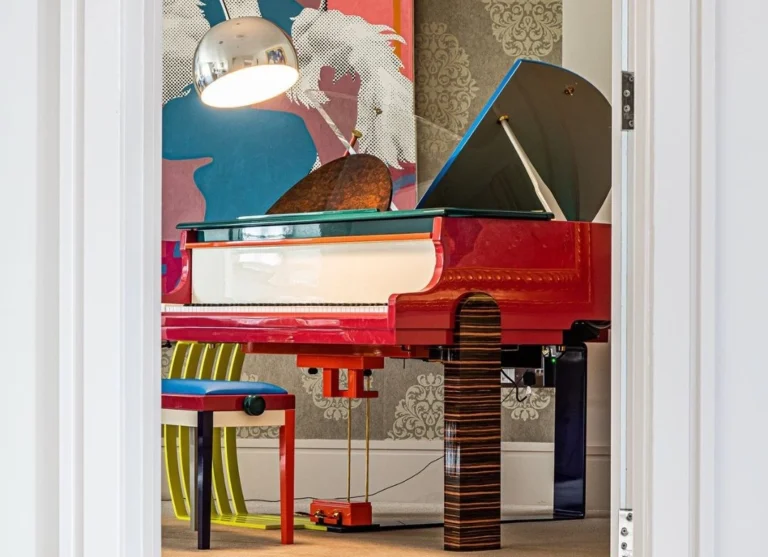
Imagine sitting in your living room, a gentle melody filling the air as the piano keys dance independently. Self-playing pianos, once a marvel of early 20th-century innovation, have evolved into sophisticated instruments capable of playing, recording, and even teaching—all at the touch of a button. These modern marvels can connect to your devices, offering a seamless blend of technology and tradition.
Yet, the allure of a traditional piano remains timeless. It’s an instrument that demands your touch, emotion, and skill, creating a deeply personal connection with every note. For some, a self-playing piano might seem like it disrupts this intimacy, while others see it as an opportunity to enjoy beautiful music without the need to play.
So, which is right for you? Whether you’re a purist or a tech enthusiast, understanding the differences can help you decide which piano best suits your lifestyle and musical journey.
Understanding Self-Playing Pianos
Self-playing pianos, known as player pianos or automated pianos, bring music to life without a pianist. These instruments offer a seamless blend of tradition and technology. Check out our full in-depth guide to player pianos here